
News
Ordinary wall panels (MDF/multi-layer board) vs Tianyao Diamond Board – No More Confusion After Reading This!
Traditional wall panels (such as MDF and veneered plywood) are also commonly used for walls. How does kingkong board compare to them? Let’s break it down in one go.
1. Traditional wall paneling: Elegant but prone to water and formaldehyde
Wall panels made of medium-density fiberboard or plywood as the base material, with wood veneer or PVC on the surface, can indeed enhance the spatial texture.However, its core issues are poor moisture resistance, susceptibility to swelling, deformation, mold, and discoloration; most products use urea-formaldehyde adhesive with a prolonged formaldehyde release cycle; moderate surface hardness that is prone to scratches. Additionally, installation requires gluing or nailing, which is neither environmentally friendly nor aesthetically pleasing.
2. Tianyao kingkong board: Revolutionary Upgrade, Comprehensive Beyond
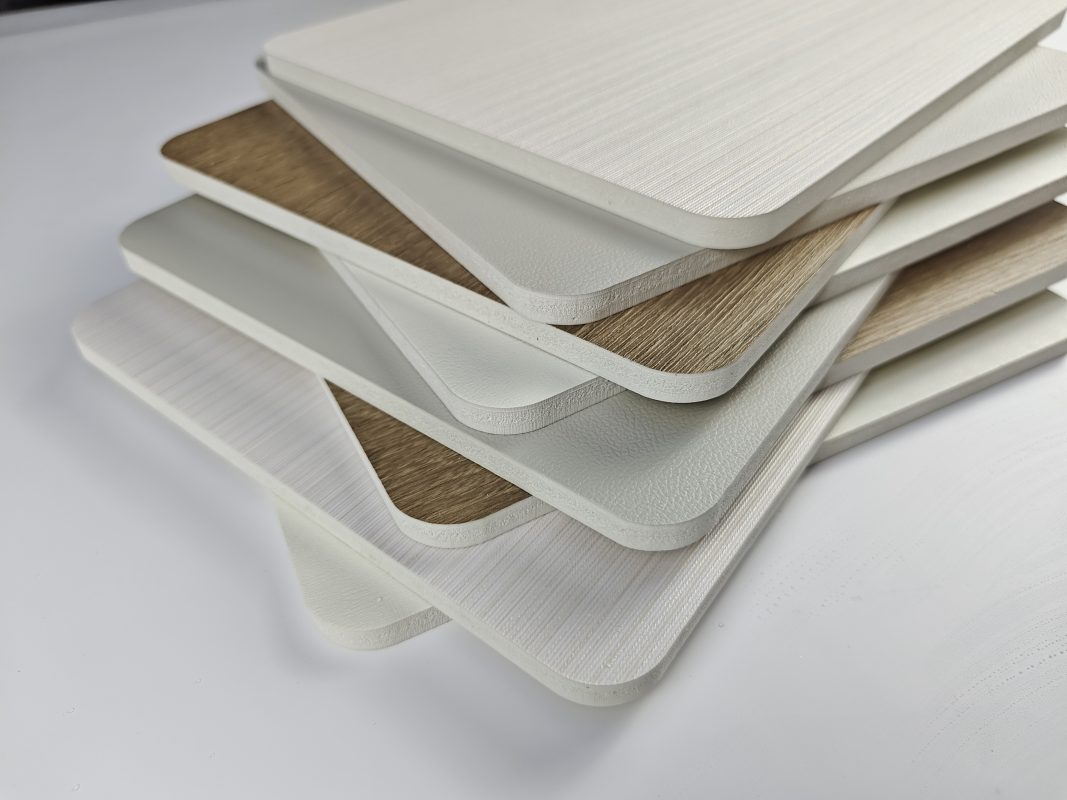
The white solid core substrate of Tianyao Steel Plate is completely waterproof, resistant to mold and deformation; it is white, formaldehyde-free, safe, and environmentally friendly. With a Shore hardness of ≥75HD, it is much harder than wood.Its finish is equally high-end, featuring a quick-installation structure that requires no glue, ensuring a clean and secure fit. With a service life 3-5 times that of traditional wall panels, its price remains nearly identical.
3. Tips from the Editor
If you’re still torn between traditional wooden wall panels, we advise you to give up altogether—Tianyao King Kong panels excel in four key dimensions: moisture resistance, environmental friendliness, durability, and ease of installation, leaving no reason to settle for the old stuff.